Your Paycheck Is Shrinking. Here’s How to Fight Back.
Groceries. Clothing. Appliances. Home repairs. It seems like every trip to the store ends with the same reaction: “How did that cost so much?”
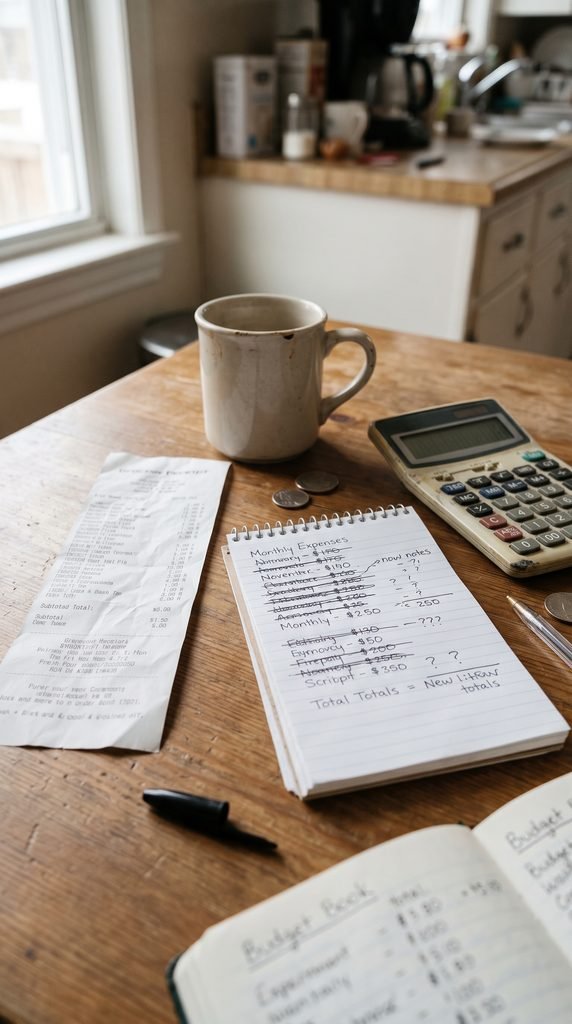
Maybe you’ve experienced the grocery receipt moment yourself. You buy the same items you’ve purchased for years, yet the total somehow lands 10%, 15%, or even 20% higher than you expected. Nothing feels dramatically different, but your money somehow goes less far each month.
That’s inflation in a nutshell: the gradual rise in prices that reduces the purchasing power of every dollar you earn.
Recent price increases haven’t been limited to food and fuel. Families and small business owners have also felt pressure from higher costs on imported products, appliances, tools, parts, electronics, and clothing. If you’d like a deeper look at some of the forces pushing prices higher, read our guide on the Tariff Tax:
The good news is that you don’t need to become obsessed with spreadsheets to protect your finances. A few practical changes can make a meaningful difference.
Here are nine budget moves that work when prices keep rising.
Where Rising Prices Hit Hardest
Not every category of spending feels inflation equally.
Most households tend to notice rising prices first in:
- Groceries and household essentials
- Clothing and shoes
- Appliances and electronics
- Home improvement materials
- Automotive repairs and parts
- Power tools and equipment
- Everyday consumer goods
The challenge is that many of these purchases aren’t optional. You eventually need new clothes. Appliances eventually fail. Cars eventually require repairs.
Because you can’t eliminate these costs entirely, the goal becomes managing them more strategically.
Nine Moves to Protect Your Budget
1. Audit and Cancel Unused Subscriptions
The easiest money to save is often money you’re already spending without realizing it.
Take 30 minutes and review:
- Streaming services
- Music subscriptions
- Fitness apps
- Cloud storage plans
- Membership programs
- Software subscriptions
- Delivery memberships
Many people discover they’re paying for services they haven’t used in months.
A family carrying five streaming subscriptions may be spending over $50 per month on entertainment before watching a single show.
Instead of automatically renewing everything, ask:
- Did I use this in the last 30 days?
- Would I notice if it disappeared?
- Can I rotate subscriptions instead?
Even saving $40 per month creates nearly $500 annually that can absorb higher grocery or utility costs.
When prices rise everywhere else, eliminating waste becomes even more valuable.
2. Re-Shop Insurance and Phone Plans
Many consumers comparison-shop aggressively for a television but leave insurance and phone plans untouched for years.
That can be expensive.
Insurance companies regularly change pricing models. Wireless carriers constantly introduce promotional plans.
At least once a year:
- Get quotes from multiple insurance providers
- Review homeowners or renters coverage
- Compare auto insurance rates
- Check available cellular plans
- Evaluate internet service options
Loyalty doesn’t always earn discounts.
A few phone calls could potentially save hundreds of dollars annually without changing your lifestyle at all.
The same coverage and service may cost significantly less elsewhere.
3. Buy Used or Refurbished for Big-Ticket Gear
One of the most powerful inflation-proof strategies is simply avoiding the new-product premium.
Consider buying used or refurbished when purchasing:
- Laptops
- Smartphones
- Power tools
- Appliances
- Office equipment
- Furniture
- Lawn equipment
Many refurbished products include warranties and quality inspections.
A contractor purchasing a refurbished tool may save hundreds of dollars while receiving nearly identical performance.
Likewise, households can often purchase gently used furniture or appliances for a fraction of retail pricing.
The key is distinguishing between items that truly require new condition and items where functionality matters more than appearance.
Rising prices make that distinction increasingly important.
4. Time Purchases Around Sales Cycles
Urgent purchases are usually expensive purchases.
Whenever possible, buy before you need something.
Many products follow predictable discount patterns:
- Appliances often go on sale during holiday weekends
- Outdoor equipment frequently drops in price at season’s end
- Electronics are often discounted during major retail events
- Clothing typically becomes cheaper during clearance transitions
Keeping a future purchase list helps.
Instead of deciding, “I need this today,” you can identify opportunities months ahead and wait for favorable pricing.
A little patience often saves more money than hours of clipping coupons.
5. Switch to a High-Yield Savings Account
One of the most overlooked budget mistakes is leaving emergency savings in accounts that earn little or no interest.
When inflation rises, idle cash loses purchasing power.
That doesn’t mean emergency savings should be invested in risky assets. It does mean that many households benefit from earning competitive interest on money that must remain accessible.
A high-yield savings account can help offset inflation by generating additional income on funds already sitting aside for emergencies.
This strategy works especially well when paired with a dedicated cash reserve plan.
For a deeper look, read our companion article about building cash reserves and making your emergency fund work harder.
Even a modest difference in interest earned can add up over time.
6. Use Credit Card Rewards Without Carrying a Balance
Rewards programs won’t make anyone rich, but they can reduce the effective cost of purchases you’re already making.
The key rule is simple:
Never carry a balance.
Interest charges can quickly eliminate any rewards benefit.
Used responsibly, rewards programs may help you earn:
- Cash back
- Travel rewards
- Statement credits
- Retail discounts
Think of rewards as a bonus rather than a spending strategy.
Spending extra money to earn rewards isn’t saving.
Spending money you already planned to spend and collecting rewards along the way can provide small but meaningful value.
For more ideas, check out our guide to maximizing credit card rewards responsibly.
7. Cook and Bulk-Buy Strategically
Food inflation has stretched household budgets for years.
Fortunately, food is one area where planning still creates significant opportunities for savings.
Focus on:
- Meal planning before shopping
- Buying staple items in bulk
- Reducing food waste
- Cooking larger batches
- Freezing leftovers
- Purchasing store brands when quality is comparable
Notice the emphasis on strategically.
Buying 50 pounds of something your family won’t consume isn’t saving money.
Buying frequently used items at lower per-unit costs often is.
One overlooked expense is food waste.
Throwing away groceries is effectively paying twice: once at checkout and again when replacing the wasted food.
A simple meal plan often produces bigger savings than complicated coupon strategies.
8. Pad the Budget With a Small Side Income
When expenses rise faster than income, cutting costs isn’t always enough.
Sometimes the solution involves increasing earnings.
Fortunately, not every side income requires building a business empire.
A few possibilities include:
- Freelance work
- Tutoring
- Pet sitting
- Selling unused items
- Seasonal services
- Consulting in your area of expertise
- Digital products
- Content creation
Even earning a few hundred extra dollars each month can dramatically improve budget flexibility.
The goal isn’t burnout.
The goal is creating a financial buffer that absorbs rising costs before they become financial emergencies.
Many households discover that a modest secondary income stream provides more relief than extreme frugality.
9. Lock in Fixed Costs Where You Can
Variable expenses become more stressful when prices are rising.
Whenever possible, consider ways to create predictability.
Examples may include:
- Fixed-rate loans
- Long-term service contracts with stable pricing
- Locked-in insurance terms
- Budget billing programs from utilities
- Multi-year agreements where appropriate
Predictable expenses make budgeting easier because surprises become less frequent.
This doesn’t mean locking in every cost.
It means evaluating where certainty creates value.
When prices seem to climb every few months, stability becomes an asset.
A Simple Way to Track It All
Many people avoid budgeting because they imagine endless spreadsheets, color-coded categories, and daily expense tracking.
Fortunately, budgeting doesn’t have to be complicated.
A light-touch approach can work surprisingly well.
Try this three-step system:
Step 1: Review Spending Weekly
Spend ten minutes each week reviewing recent transactions.
You’re not looking for perfection.
You’re looking for patterns.
Step 2: Focus on the Biggest Categories
Most budgets aren’t broken by coffee purchases.
They’re affected by housing, transportation, insurance, groceries, and debt payments.
Start where the biggest dollars are.
Step 3: Adjust Monthly
Inflation changes costs gradually.
A monthly review is often enough to stay ahead of the problem.
If you prefer a more structured framework, check out our budgeting system guide for a step-by-step approach that doesn’t require financial obsession.
The best budget isn’t the most detailed one.
It’s the one you’ll actually use.
For Small Business Owners
Inflation creates unique challenges for small business owners.
When suppliers raise prices, profit margins often shrink quickly.
A few strategies may help:
Review Supplier Relationships Regularly
Don’t assume current pricing remains competitive.
Request updated quotes periodically and evaluate alternatives.
Even small savings across multiple suppliers can improve margins.
Increase Inventory Planning
If you know certain materials or products are likely to become more expensive, smarter purchasing timelines may help reduce future cost pressure.
Avoid panic-buying, but plan ahead whenever possible.
Maintain Healthy Cash Reserves
Rising costs often create cash-flow challenges.
Having reserves available allows you to absorb temporary disruptions, cover unexpected expenses, and avoid expensive borrowing.
For a business owner, cash reserves aren’t just safety nets—they’re strategic tools.
Monitor Profit Margins Closely
Many businesses focus on sales growth while overlooking margin compression.
If costs rise but prices don’t, revenue can grow while profitability falls.
Regular review helps identify problems before they become serious.
And if you’re evaluating a business idea, don’t miss our article:
Is Your Business a Venture or a Gamble?
A strong business model is even more important when costs are rising.
Final Thoughts
Benjamin Franklin famously observed:
“A penny saved is a penny earned.”
That advice feels even more relevant when inflation is reducing the value of every dollar.
You can’t control global markets.
You can’t control tariffs.
You can’t control inflation.
But you can control how you respond.
A quick recap:
- Cancel unused subscriptions
- Re-shop insurance and phone plans
- Buy used or refurbished when practical
- Time major purchases strategically
- Move savings into a high-yield account
- Use rewards cards responsibly
- Reduce food waste and bulk-buy carefully
- Create a small side income stream
- Lock in predictable costs when possible
No single move will completely offset rising prices.